Tag Archives: self publishing writing

Guest Post: 5 Tips to Help You Write Awesome Children’s Characters

Standard
Savannah Cordorva is a writer with the website, Reedsy.com.

Good characters are the key to any novel’s connection with its readers, and this is no different in children’s books; if anything, it’s truer. Think of iconic children’s books like Harry Potter, Matilda, or The Hunger Games —what do they have in common? Their characters are relatable, driven, and memorable.

Indeed, even the most fantastical books rely on human themes to resonate with readers. After all, it’s usually the way that characters interact with elements in the book that makes it interesting, rather than the elements themselves!

This is why, no matter what sort of children’s book you’re writing, it’s crucial to develop strong characters that will stay in your young readers’ hearts for generations. Master these tips and you’ll be well on your way.

1. Establish your character’s age and relevancy

Many popular children’s books are remembered for their cherished protagonists. However, there are a couple of elements that set the best apart from the rest: age and relevancy.

Specifically, the ideal formula for long-lasting characters is that they should be both a few years older than the target readers and experiencing similar real-life issues. Children love reading stories that they can relate and aspire to!

For example, Percy Jackson is twelve years old in Percy Jackson and The Lightning Thief, and attracts readers around ten years old. Of course, while Percy’s young fans won’t be discovering their mythical powers, they are growing up and will soon be entering new environments and making new friends — just like him.

As long as you explore human themes, feel free to give your characters the most fantastical plotlines you can think of. And if you want total control of your characters, consider self-publishing your children’s book! Linking your protagonist’s story to a real-life lesson is the bread and butter of character writing, but if this lesson is somewhat unconventional, the self-pub route could be your best shot at conveying it without compromise.

2. Build their drive and motivations

You’ve established your character’s age and relevancy. Great! The next step is to make sure your protagonist’s main goal — the essence of your story — is clear. Whether you’re writing a short story or a novel, it’s crucial to get this right. A story’s narrative arc will fizzle without motivation to propel things forward. And with children’s relatively short attention spans, they certainly won’t be giving precious attention to a lackluster plot.

This means another huge part of well-written children’s characters is that what they want or need drives the plot. Imagine how boring a story like Treasure Island would be if Jim Hawkins didn’t want to find Captain Flint’s treasure. And Watership Down wouldn’t be nearly as memorable without Hazel’s need to escape from the warren’s destruction. Once your character’s key motivation is established, the rest of their story should unfold with ease!

3. Put thought into their appearance

While a character’s internal thoughts are very important, that doesn’t mean their external characteristics deserve none of your time. Though personality is Priority One in terms of story, physical characteristics are often what make a first impression, in books and reality.

So while your protagonist’s appearance might not directly affect the plot, it can impact how supporting characters respond to them. And of course, if you’re writing a picture book, how the characters look will be a major part of the reader’s experience — and will likely contain visual clues about their personalities, emotions, and so on.

This is why, regardless of your artistic abilities, it’s worth sketching out your characters, from their hair color to their type of shoes. It doesn’t have to be Van Gogh-worthy, but having a concrete reference for your character’s appearance will make it easier to imagine — and therefore write out — more realistic scenes in your story.

This may be particularly helpful when it comes to dialogue. Another useful thing to consider is your character’s voice: What do they sound like? How do they interact differently with one character vs. another? Does their voice match their physicality, or present a comical contrast?

(If this sounds like a lot of details to organize — or if you’re looking to go even more in-depth — try checking out some character profile templates to help, or perhaps just a few character-building questions to get the ball rolling.)

4. Choose meaningful, memorable names

Well-named characters are sure to stick in readers’ heads. It sounds simple, but giving a character a name that reflects their key traits will tie everything together — and tell readers what to expect!

A classic example of this is Harry Potter’s Remus Lupin: “Remus” nods to the Roman myth about the twins Romulus and Remus who were raised by a wolf, while Lupin is derived from the Latin for “wolf”. So — spoiler alert — it’s no surprise that Remus Lupin turned out to be a werewolf, with a name meaning “Wolf Wolf”. Another perfect example of this is the much-loved Miss Honey in Roald Dahl’s Matilda, who is adored for her sweetness.

Though a name might seem a small feature, plenty of creativity goes into naming popular children’s characters! Whether your characters’ names are obscure linguistic references or common synonyms, make sure they’re fun to learn and impossible to forget.

5. Make character conversations believable

Going back to dialogue for our final point, many children’s writers are tempted to write their dialogue as they think children speak. But unless you’re a preschool teacher or a parent, try to avoid presuming anything!

Indeed, it’s worth familiarizing yourself with your target audience to facilitate more believable conversations. Good ways to research might be volunteering at your local school or working at a library. Bonus points if you have friends and family with children that you can ask to proofread your book. Their endorsement is a major signifier that you’re on the way to helping your target audience feel understood and represented.

Of course, every child is different, with their own personalities, opinions, mannerisms, and quirks. Keep in mind that your characters should progress and change, but dispositions — for example, a sharp sense of humor or joyful attitude — aren’t usually as fluid. A good rule of thumb is to figure out the essential traits your character has and stick with them. With this in mind, your characters are sure to instill readers with plenty of intrigue and love.


Savannah Cordova is a writer with Reedsy, a marketplace that connects self-publishing authors with the world’s best editors, designers, and marketers. In her spare time, Savannah enjoys reading fiction (especially YA fantasy, and picture books to her niece and nephew!) and writing short stories.

Tiffany Turner was the editor on this post.

What is Vella? A Look at Amazon’s New Serial Publishing Platform For Authors and Readers

Standard
My new kpop sweet romance will be launching on Vella soon under my romance pen name, Marilyn Vix. Stay tuned for more info!

In the middle of April, Amazon announced it’s new serial publishing platform to be connected and managed through KDP by authors. Curious that this may be a fit for one of my teen/YA novel projects, I checked out the options and decided to go with publishing through this new format. Since this is a new venture and still only in beta, I’ll go over some of the basics that authors need to know before launch. Also, it will be interesting to readers to hear about the back story of how stories happen. Plus, it will be another reading option for you soon.

Vella is basically structured like many online journal and writing websites like Wattpad and Radish. I am familiar with Wattpad and have already written an online novel there. So, I was very curious to see how Amazon has set their format up. It is connected to your KDP dashboard through your Bookshelf. It is listed as your “Kindle Vella Library”. That link takes you to the Vella platform, which pretty much looks to me like Wattpad, except with some differences. 

1) You upload your serial sections or chapters by “episode”. Each episode has to be 600 to 5,000 words. 

2) You only need a stock photo that will be posted with your serial title and author name. No cover, like for an ebook, is needed. 

3) Amazon hasn’t released an official launch date, but has opened the platform up for authors to start loading their episodes. It is in beta, so nothing is live to see yet. But there is the ability to upload and schedule episodes to release at later dates if you want to try it out. 

4) There are clear guidelines in the Vella Library of what you can upload or not. You cannot take stories that have already been published on the web or as a book. You can take up to 5,000 words from a previously published work to attach to the beginning of your serial to write sequels, side stories, or other connecting stories. 

5) You can leave a short author note at the end of each episode. Readers can’t leave you comments, though I have seen authors asking for this in the community forums. It could be added later. Right now, readers will be able to favorite a story once a week and give a thumbs up if they liked an episode. Likely, this is the way Amazon will be able to track the popular stories similar to other online formats.

6) The big deal about Vella is YOU WILL GET PAID for any episodes after the first three chapters. The platform is set up for readers to buy coin bundles and they are used to unlock chapters after the first three. Right now, the pay scale is similar to when Kindle Unlimited started, but the difference is you are getting paid by the word. So, people will be encouraged to write long and connected stories. 

7) Vella is targeting the teen and young adult crowd that reads on their phones. It will be available to read on the Kindle OS app and Amazon.com. I am launching my kpop romance on the platform which is more of a sweet romance for the teen and young adult reader. So, I’m feeling like this is a perfect fit for my project.

So, that is about it for now. The guesstimation for launch to readers is likely in July, though Amazon hasn’t made that official. The Zon has just opened it up to authors to start loading and writing their serial stories with a suggestion of having five episodes ready by launch. I am planning to have my five chapters up and ready, and will add to them AFTER Amazon has launched the platform to the public. 

So, that is it for now. I will do an update article on how Vella is working for me after the launch of the platform in a few months. Meanwhile, get ready for a whole new reading experience from yours truly as she finally launches the kpop romance project I’ve been working on for three years. Just to note, this will be published under my romance pen name, Marilyn Vix, since it will be a sweet romance.

Until then, wish me luck and happy reading!

-Tiffany Turner

Interview with Wolf Cub Chlo

Standard

With the first interview and book recommendation of this New Year, I thought all of us could use a good laugh. Not only have I found a book likely to make you smile, but also it will guide you into reading and how to tell jokes to brighten up your family’s day.

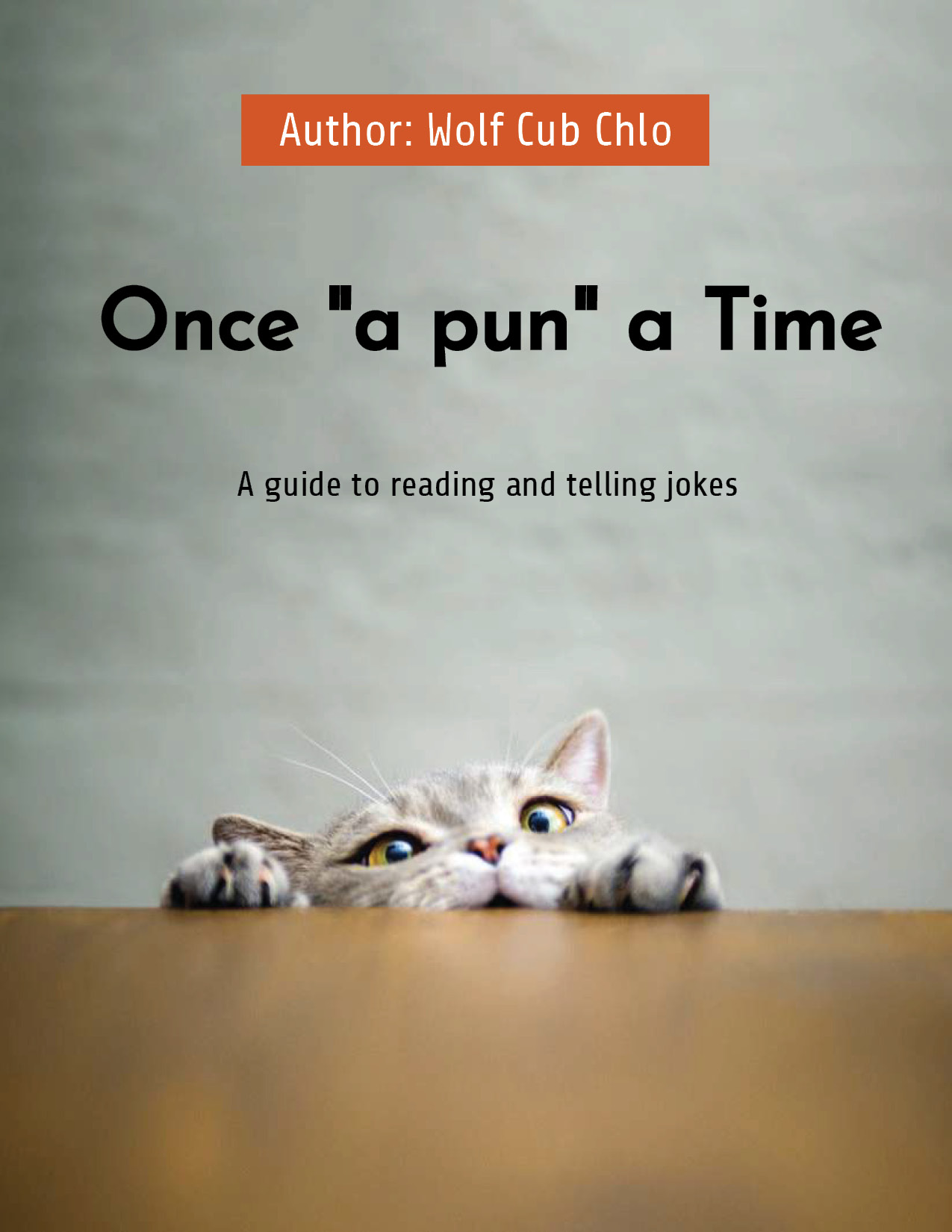
Wolf Cub Chlo is the author of the children’s joke book, “Once ‘a pun’ a Time: A Guide to reading and telling jokes”.

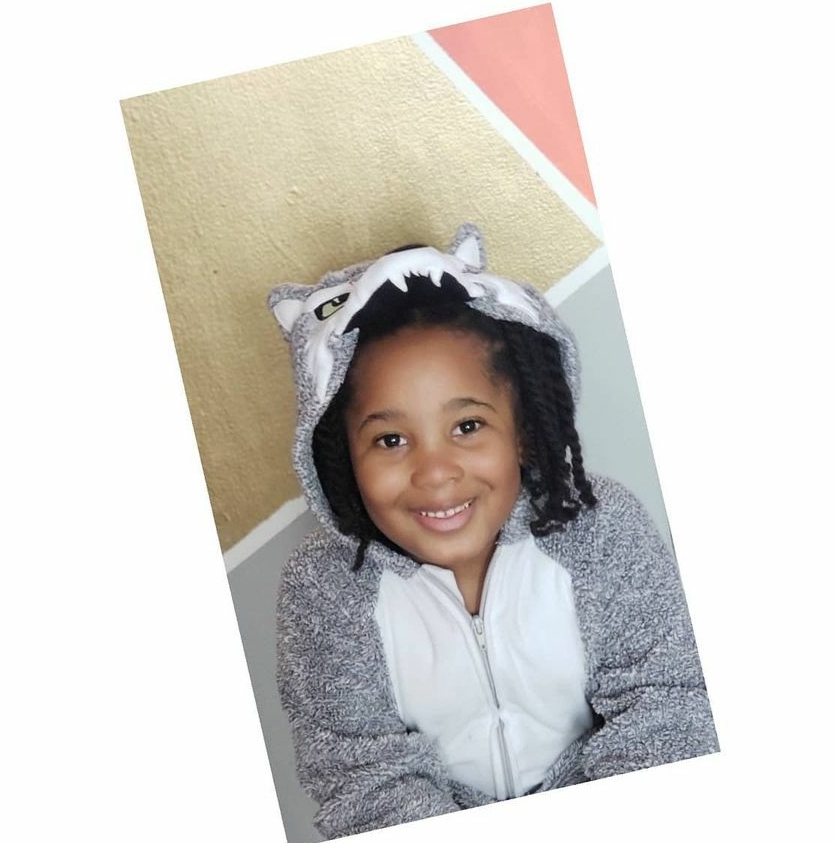
Wolf Cub Chlo is a child author that loves to tell a good joke. So much, she’s written a book about it. There’s nothing like a child giving insight to something that can make us all feel much better. What a great gift this little cub has given us all in her book, “Once ‘a pun’ a Time: A Guide to reading and telling jokes”. I had a chance to talk with Wolf Cub Chlo about why she writes, what she loves about reading and writing, and what future projects she is planning.

  1. Can you introduce yourself and tell us why you wanted to write your book, “Once ‘a pun’ a Time”?

Wolf Cub Chlo: Hi! My name is Chloé, but I write all my books under the name Wolf Cub Chlo, and I’m 6 years old. I like to think of silly words and create stories around a simple word. But, for my book, I turned those silly words into jokes.

  • What subjects would you like to write about in future projects?

Wolf Cub Chlo: For my next project, I would like to write silly stories using sight words to help other kids learn to read while having fun. I want it to be a series like Bob books. I really love those books too.

  • What is writing to you in one sentence?

Wolf Cub Chlo: To me, writing is a way to relax and bring a smile to my face. Just like coloring.

“Once ‘a pun’ a Time” is a book that is medicine to help you heal others through laughter. Laughter is something people need in their daily lives. Jokes are one way people can support each other during these difficult times during COVID lockdowns. Learn tips and tricks on how to tell and write your own jokes. Share laughter with friends and family through video conferencing and help others heal. Remember, we’ll all get through this together.

“Once ‘a pun’ at Time” is available from Amazon.com as a Kindle edition.

For more information on Wolf Cub Chlo, visit her website here.

Interested in Self-Publishing? I Just Wrote the Book On It.

Standard

Get Ready Push Button-FinalEbook

Tiffany Turner is the self-published author of a children’s fantasy book series and several paranormal romance titles. 

It is now available. All of my self-publishing knowledge over the last thirteen years. I’ve been at this self-publishing thing for awhile now. And I’ve learned a lot. It’s been called a gold rush by some, from about 2009 to 2011, and beyond. I would say that was mostly due to KDP, Kindle Digital Publishing, Amazon’s digital platform. It is now a whole new frontier that I can help you navigate.

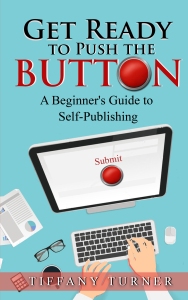
From watching and talking to other self published authors on Kindleboards (later Kboards.com) like Hugh Howey, to getting the idea and encouragement to start writing romance after my children’s books, I’ve had quite a journey. I wrote “Get Ready to Push the Button: A Beginner’s Guide to Self-Publishing” to make it easy for anyone to get started. All you need is that finished manuscript, and you can be on your way.

All of my hard earned experience has been written down into my beginner’s guide to self-publishing. So, if you’ve been thinking about it, or even wrote a manuscript during lockdown and don’t know what to do now, I’ve got an answer for you. Self-publish!

I’ve been talking to people about how to self-publish on panels at various local conferences including Fanime, San Francisco Comic Con and the Silicon Valley Comic Con over the last few years. Now, you can get all my expertise in one helpful guide, with links for support in an online FB private group. Plus, I’ve worked with a lot of emerging authors through my Fiverr.com gigs. I’ve gotten experience in so many areas from diving into the self-publishing world, and I keep growing with it. Find out how you can make your writing dreams come true, and become a working writer.

Have a manuscript and don’t know what to do?

Have you considered self-publishing?

Get Ready to push the button (3D)-PromoJoin Tiffany Turner as she explains how to get your manuscript ready to finally push that self-publishing button. This beginner’s guide to self-publishing has been put together with Mrs. Turner’s thirteen years of self-publishing experience in romance and children’s book self-publishing. With easy step by step explanations of how to prepare your manuscript, she’ll walk you through in her humorous banter how to:

-Discovering if this self-publishing path is for you.
-Terms & tips you’ll need to navigate the self-publishing world.
-Preparing your manuscript with an easy to follow list of steps.
-How to find the people to help you self-publish such as beta readers, editors, cover designers, formatters and self-publishing platforms.
-What to set up before you self-publish.
-Launching your book.
-Maintaining your self-publishing empire after your first book.

Discover how to get yourself started onto the self-publishing path.

“Get Ready to Push the Button: A Beginner’s Guide to Self-Publishing” is available at Amazon.com, Barnes & Noble.com, Apple/iBooks, and Rakuten/Kobo.


Author Appearance for Tiffany Turner at Clockwork Alchemy March 23

Standard

Tiffany Turner will be one of four authors on the “Get Started Self Publishing” panel at the Clockwork Alchemy conference in Burlingame, CA this weekend. She will be talking about her experiences self-publishing her three children’s fantasy books and romance novels and shorts. This is a steampunk conference to the extreme, so she’ll be dressed in her best steampunk outfit. If you haven’t attended before, registration begins on Friday at 8am. If you already have your pass, you rock!

Here is the information you need to know:speakingpic

  • Get Started Self Publishing
  • Friday March 23
  • 6-7pm
  • In the Sandpebble C room

-Come listen to the experience of four self-published authors, receive a handout with all the facts and links needed to get started, and even meet Tiffany Turner (also Marilyn Vix)!

For more information on Clockwork Alchemy,

LINK HERE!

Self-Publishing Speaking Engagement for Tiffany Turner

Standard

ebookmarketTiffany Turner will be speaking on the self-publishing panel at the AODSF conference at the Santa Clara Convention Center on Sunday, March 19 at 10am-11am Live Event Rm 4.
Come find out the exact steps you’ll need for self-publishing you’re own book. From your beginning ideas to pushing the button to self publish, Tiffany Turner will join in a panel to walk you through the process. Ask questions and find out all the publishing platforms, how to hire you’re own editors, formatters, cover designers, and start that important step to building your author platform. Ask questions and get started from the information you’ll receive from this talk.

AODSF Conference Schedule/Website

http://aodsf.org/events/list/

No Limit Writing Part II: Setting A Commitment

Standard

IndieLife7I am a little late with my monthyly Indelibles post. But I am writing on the US West Coast. So, technically it’s still Wednesday here. Plus, it was my first day back to work for the day job. Factor in the fact I had a good friend die in a horrible, water skiing accident. Really, I’m not kidding. I wish I could be kidding. I’ve been upset the last two days. Add the fact that my birthday is next week, and that I’ve just watched Reality Bites(1994). I did the math and that movie is over 18 years old. Tonight, I’m really in a reviewing the situation moment.

Sometimes, you have to factor in real life into your writing equation. But that is what happens to writers. We balance real life with paying the mortgage jobs, promotion and marketing, editing, revision, and first draft writing.

I’ve been toggling between projects, and reworking my schedule as I return to the day job. I’m working on several projects and organizing a blog tour for the beginning of school. Yes, I’ve been busy this summer. But the weird thing about all the things that have happened over the last month is the reflection on how to keep the writing flowing. I don’t want the creative process that has happened this summer to stop.

So, I’ve established a no limit writing plan, with a schedule of writing once a day for an hour. This ranges from first draft, to revision, to blog writing. Yes this post counts right now. And I have to say, it has done wonders just to make sure I sit down once a day for an hour. I’ve been participating on a writing board thread that basically is a whole bunch of writers reporting on how much they write. Really, I’m finding with an hour a day at least I can get a lot done.

So, no matter what is happening in my day, I’ve committed to that. I also read through a friend’s story and gave her feedback. That counted. This way, I’m not limiting or giving excuses for not writing. I’m allowing for what work needs to be done to flow on that day. The thing about self publishing is that you can schedule your projects to fit your life’s schedule.

I’m happy to say that I’ve gotten a novelette through two revisions, and I’ve scheduled it to go to my editor by September. I’ve been organizing a Back to School Blog Tour, but will mostly work on it on the weekend now. But I’m keeping my sanity by allowing a time for it to be scheduled. And I’ll be happy on Saturday to let the thought process flow. For now, just an hour a day on something writing related keeps my commitment to myself.

Most of all, don’t limit what you can do. If I thought I can’t write romance novels, I wouldn’t have a novelette series in the works and a Time Travel novel half through it’s first draft. We’ll have to see how it all turns out. But my biggest phrase is to just keep writing. You never know what project will turn into the bestseller.

Setting a commitment of one hour might allow me to find the next good book. Hopefully, it will be that bestseller. And even if it’s not and I sell some copies, it will lead me to the next book. That good book may take 20 other books before it. All I need is eventually that one to hit it big. And committing to writing one hour a day will help we keep writing until I get there.

**This post is part of the monthly
“Indie Life” posts linked on the Indelibles Blog.

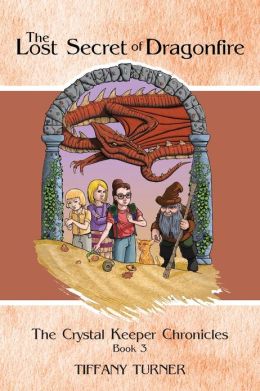
The Lost Secret of Dragonfire is available at Amazon and Barnes & Noble.

The Lost Secret of Dragonfire is available at Amazon and Barnes & Noble.

***Tiffany Turner has just released her third book, The Lost Secret of Dragonfire, in her Crystal Keeper series. She continues to teach fourth graders in California while writing fantasy adventure middle grade novels. She is working on other writing projects in her No Limits Writing practices. She actively plays the Gaelic Harp at Renaissance festivals throughout Northern California.