Author Archives: Tiffany Turner

Unknown's avatar

About Tiffany Turner

I am a teacher by day, writer during the evening and weekends. I've written a children's fantasy series called the Crystal Keeper Chronicles. I've learned a lot as an Independent author. I want to share that now through blog posts, interviewing fellow authors, and reviewing other children's books. If you don't see it out there, build the blog yourself. I'm hoping to create a resource for people to find quality children's books that don't always fall along the lines of mainstream.

Day 5 of the 2021 Back to School Blog Tour: Z. B. Sanders

Standard

Welcome to the last day of the 2021 Back to School Blog Tour. I have really enjoyed introducing you to these fantastic authors and their books all week. It’s always a highpoint of my year and my pleasure to help support teachers, parents and children in their reading journey and learning paths. I’m closing this blog tour with a fantastic author and artist, Z. B. Sanders.
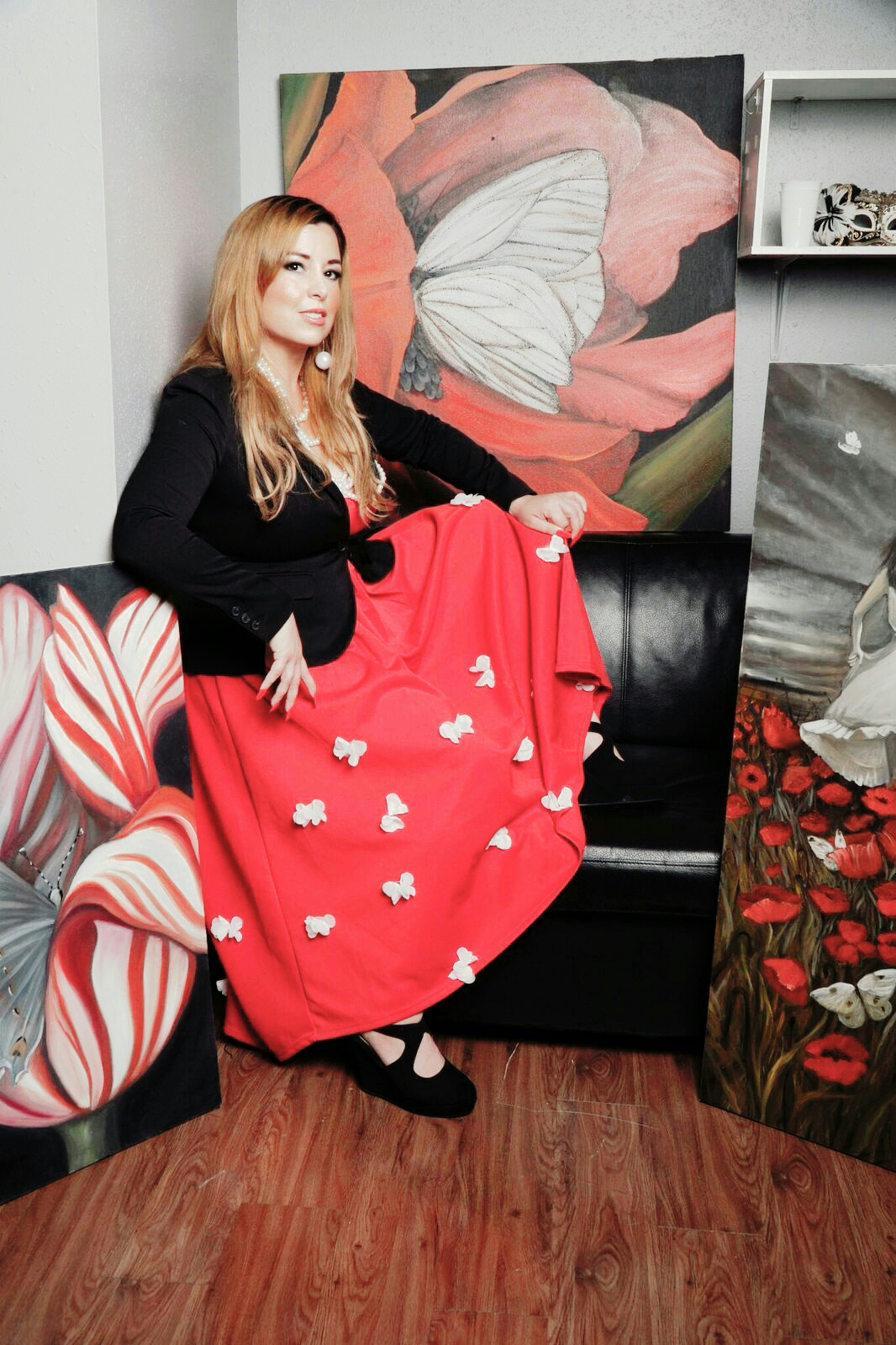
Z. B. Sanders is the author of the children’s books, “Hands” and “The Little Blue Worm”.

Z. B. Sanders loves to connect art appreciation and basic skills into literature. Her first book, “Hands” teaches art to young readers by transforming an average Joe into an artist through a series of comical events. Her second and most recent book, “The Little Blue Worm” deals with bullying by combining storytelling and art. I had the chance to talk with Z. B. Sanders about her childhood reading memories, her inspirational author, writing process, and future projects.

  • What is your favorite memory from reading as a child?

Z. B. Sanders: My favorite childhood reading memory is from storytime at the public library after school. Growing up I had nearly perfect reading comprehension scores and a creative mind. I attribute this to group storytime sessions my mom would take me to afterschool. The library made a special room where an entertaining librarian would read out the stories in funny voices. Afterward, they would ask children what was the moral of the story. These questions sparked group discussions.

When I decided to write my own children’s book, I kept group discussion in mind. That’s why my book addresses bullying. I hope to create an open dialogue with elementary schools about bullying with my book. Conducting an open discussion doesn’t target anyone to embarrass (because early aggression in children can be the result of mimicking behavior they don’t even know is wrong. For example, a child that watches wrestling may mimic a wrestler on the playground unaware of their behavior). An open dialogue addressing this issue early will hopefully provide a number of students with several positive courses of action so they do not feel powerless. My goal with the book is to take some early preventative steps towards preventing fights and more serious issues down the line.

  • Who was your favorite author and how did they influence you?

Z. B. Sanders: My favorite author is Antoine de Saint-Exupery, author and illustrator of “The Little Prince.” This was a book my mom loved so much that it followed the family from childhood to adulthood. As a child, I read a story about a little prince guarding a rose. As an adult, I read a story about love. Similarly, I aspire to create work that speaks to children, but also carries greater wisdom so that it can be revisited later with greater insight. I wrote “The Little Blue Worm” as a tool to prevent bullying from an early age. My greater aspiration for my book is that the lessons learned can be referenced later on, as a teenager or even as an adult. I want people to keep it with them, pass it down, and cherish it.

  • Do you have a writing routine? Share what works for you.

    Z. B. Sanders:
    Right now I have two books out and both were created differently. “Hands”, my first book, was created in a series of blog posts. I dedicated roughly fifteen minutes at least (longer if I was compelled by the story) towards my single post. After a good year, I pulled down the blog to create the book. This was a fun way to write because I had “followers.” In fact, while I wrote “Hands” I ran into readers on the street. I got instant feedback in knowing that it must be entertaining to have people following my online work.

    “The Little Blue Worm” was more or less an art project. Art is an activity I do to relax. I had a very stressful job when I developed “The Little Blue Worm.” I would use a couple hours on the weekends to create a couple of pages (while I put on some good music, or listened to a show). The important part of the creative process is that I let myself feel free. My illustrations carry a very childlike quality for this reason.
  • What subjects would you like to write about in future projects?

Z. B. Sanders: I was actually inspired by my children’s book, “The Little Blue Worm” to expand into the subject of bullying for an older crowd. I recently finished “Hollywood Park” by author Mikel Jollett, and found a new energy to revive a project I put on the back-burner. A while back, I was developing a fictional teen drama inspired by some of my life events. I lost focus on the project.

After taking a step back to reflect, especially when developing “The Little Blue Worm,” I feel inspired to add more on the topic of bullies. I feel it is essential that I add an educational message, greater lessons, inside of my work.
One of my inspirations in writing is Charles Dickens for creating work that inspires social changes. He picked the “have vs. have not” themes in order to shed light on social issues in a way that didn’t preach or condemn. In that way, he was “heard” by people who would not listen otherwise. Dickens simply wanted to show the world to itself and raise the question, “is this fair?” In that respect, writing that influences behavior should put the readers in the character’s shoes, then ask, “is it fair?” Writing provides us with a mirror in which we see ourselves in other people.

  • What is writing to you in one sentence?

    Z. B. Sanders:
    Purposely reiterating: Writing provides us with a mirror in which we see ourselves in other people.

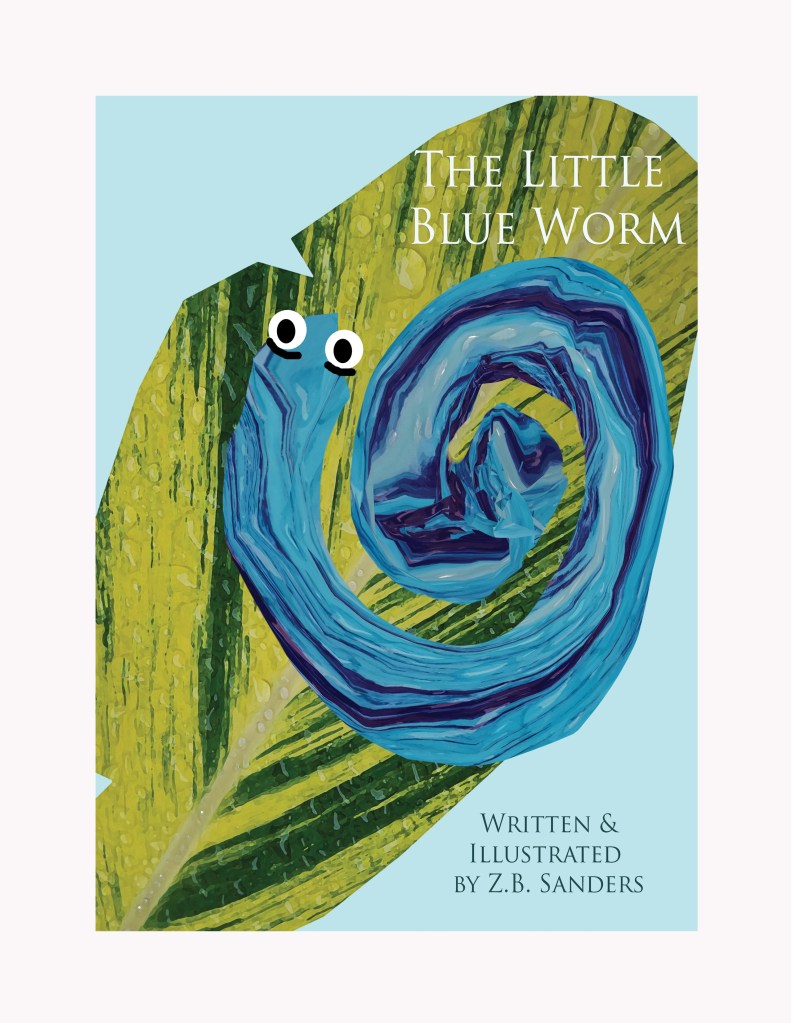
“The Little Blue Worm” is a new take on the old tale, “The Ugly Duckling” to address bullying with an artistic twist. The Little Blue Worm is ridiculed for his inability to fly, connecting children to the discussion of bullying. Helpful as a read-aloud to create a safe learning environment, this book will make a great addition into any class or home library.

“The Little Blue Worm” is available as a print edition at Amazon.com.

For more information, please visit and follow Z. B. Sander’s Facebook page.

So, this is going to wrap up the blog tour for this year. I want to thank you, the reader, for stopping by and checking out these fantastic authors. There is still time to enter the $25 Amazon GC giveaway. It will still continue through the weekend, and the winner will be chosen on Monday, Sept. 13, 2021. Click on the button below to enter. Giveaway is powered by Rafflecopter.

Until next year, keep reading, writing and please stay safe! Best wishes for a great year to all those teachers and students out there.

-Tiffany Turner

Head editor/writer for the Indie Children’s Authors Connection Blog
Day 4 of the 2021 Back to School Blog Tour: Lisa Carter

Standard

Welcome to day four of the Back to School Blog Tour 2021. I have a fabulous author to introduce you to today. May I introduce, Lisa Carter.

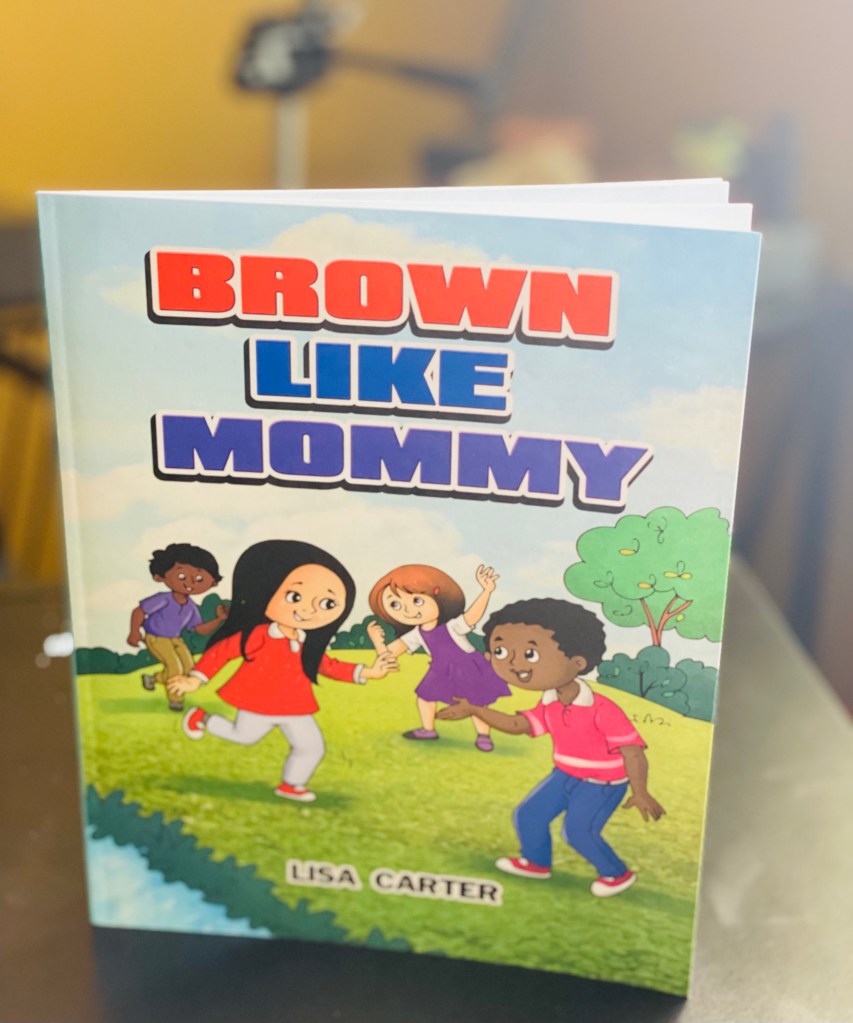
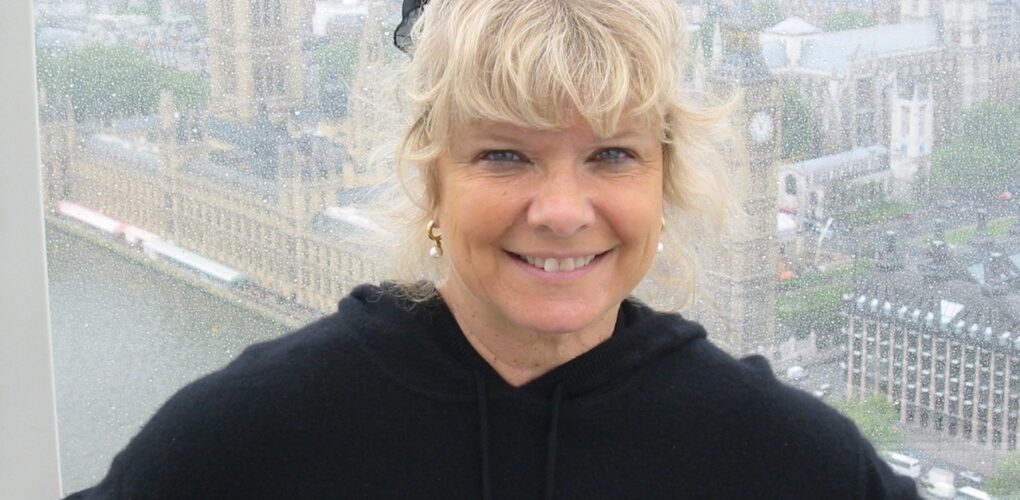
At the age of fourteen, Lisa Carter was bitten by the writing bug. Now, she specializes in writing books about social issues within families. Her new book, “Brown Like Mommy” deals with a child learning to be happy in her own skin. I had the chance to ask Lisa Carter about her childhood reading memories, favorite author, and what future projects she has in store for us all.

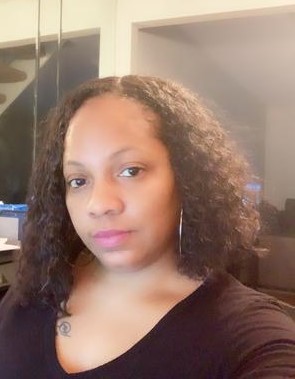
Lisa Carter is the author of the children’s book, “Brown Like Mommy”.
  • What is your favorite memory from reading as a child?

Lisa Carter: Hiding a book under my pillow at night, waiting for everyone to go to sleep so I could enjoy reading it without interruptions. My highlight of the day was bedtime so I could read.

  • Who was your favorite author and how did they influence you?

Lisa Carter: Judy Blume. She really influenced me to express myself without restrictions.

  • Do you have a writing routine? Share what works for you.

Lisa Carter: No, a writing routine doesn’t work for me. I tried it before but it feels forced. I never do well when I feel forced. My way of writing is just putting it on paper when it comes to my head.

  • What subjects would you like to write about in future projects?

Lisa Carter: I only write about social issues. In the future, I would like to write in the academic field.

  • What is writing to you in one sentence?

Lisa Carter: Writing is taking the reality of my world and using my imagination to complement it.

“Brown Like Mommy” is a story where a child learns to be comfortable in her own skin. Kim has always wondered why she did not have brown skin like her mommy. It seemed unfair that her sister and brother had brown skin like her mommy. A lot of Kim’s friends had brown skin too. When Kim started school, she saw different shades of skin. It made her feel better until she saw the other kids’ parents. The kids at school had the same skin as their parents. After a series of events that made Kim sad, her father explained to Kim that her skin was beautiful because she had skin from both her mommy and daddy. Kim was now happy in her skin.

“Brown Like Mommy” is available at Amazon.com.

For more information, please visit Lisa Carter’s Website here.

Don’t forget you’ve got a couple more days to enter the giveaway for a $25 Amazon Gift Card. It’s a big thank you for stopping by and participating in the blog tour this year.

Hopefully, you’ve been able to find out about some fantastic new authors and their books. Please come back tomorrow for our last day of the Back to School Blog Tour. Until then, stay safe and please, wear a mask! -Mrs. Turner

Day 3 of the 2021 Back to School Blog Tour: Linda S. Gunther

Standard

Welcome to Day 3 of the Back to School Blog Tour for 2021. I have another amazing, talented author to introduce you to today. Linda S. Gunther is an author that dabbles in many different genres. She writes romance, mystery and children’s books. I’ve met her through one of my writing groups, and I have been wanting to feature her for awhile on my blog.

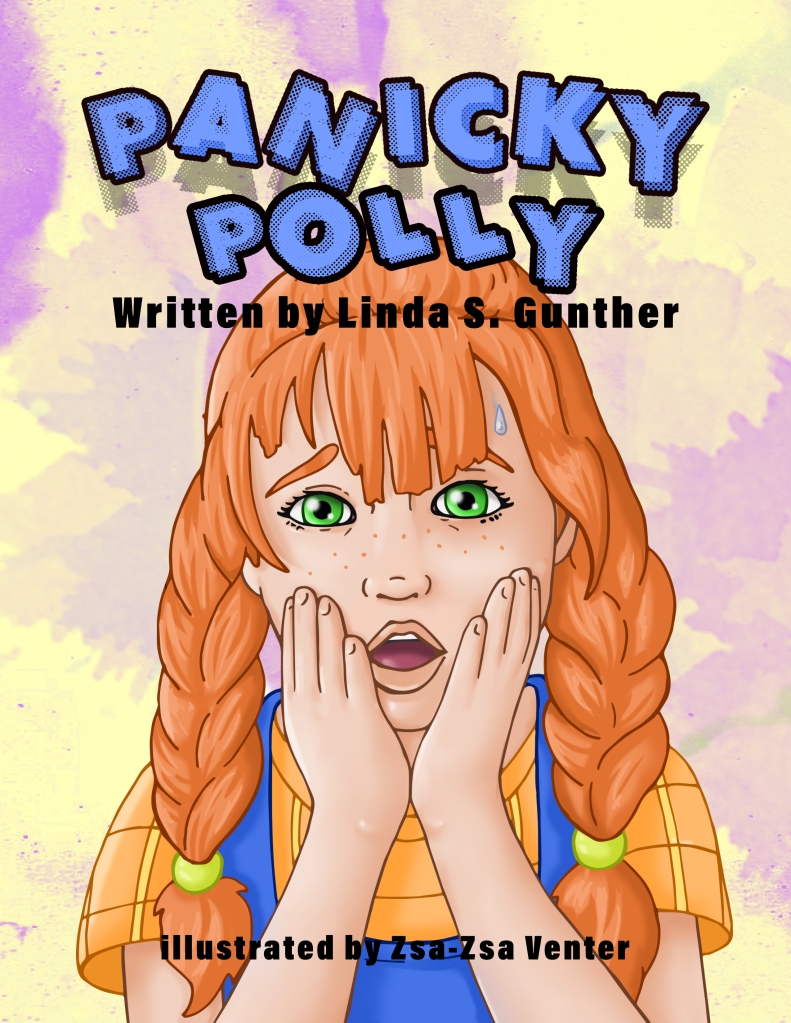
Linda S. Gunther is the author of the children’s picture book, PANICKY POLLY.

Linda S. Gunther has been featured in numerous literary publications, and her passion for travel fuels her writing. She has six suspense novels with the most recent being DEATH IS A GREAT DISGUISER: A Santa Cruz Murder Mystery and three self-published illustrated children’s picture books. PANICKY POLLY is her most recent children’s book release that involves a girl dealing with anxiety as a child. I had the chance to talk to Linda about her inspirational authors, writing routine, advice for aspiring authors, and what future projects she has in store for us.

  1. Who is your favorite author from childhood? 

Linda S. Gunther: My fav children’s book author was Maurice Sendak. I loved Where The Wild Things Are ever since I can remember. When I was a primary school teacher in NYC, Santa Clara, California and in London, England, my “go to” children’s book was definitely this one, winner of the top honor – the Caldecott Award. I have to admit in London, I did also love reading The Berenstain Bears by Stan and Jan Berenstain. There is a series of these which was also made into an animated series.  

  1. Do you have a writing routine? Please explain your routine.

Linda S. Gunther: I’m going to be honest here. I’ve authored 6 suspense novels and 3 illustrated children’s books. I don’t have a writing routine. I write at odd times whenever I feel compelled to craft a character or build a story with twists and turns. It might take all day or be a few hours late at night. Like my adult fictional works, with my children’s stories I just get an idea, and go! 

I take a walk by the beach where I live and in my iPhone Notes app, I write notes and sometimes even dialogue related to what’s on my mind in terms of potential plot, action, or the underlying message that I think will help children grow and learn lessons about life.

For my latest children’s book, PANICKY POLLY, I imagined a little girl who panics about the little things that go wrong in her day to day life. She learns a little bit of yoga meditation which literally changed her life. I found a young artist in South Africa that crafted the illustrations that were in my head. I sent her photos of what could be made into art for each page.

When I wrote PANICKY POLLY, I had no idea that the pandemic was coming, but it turned out to be very apropos. Polly’s story can help children deal with little things and big things like the COVID pandemic. I published this book in February 2020. Unfortunately, my planned book events and signings were cancelled in schools and at bookshops.

  1. What advice would you give to aspiring authors? 

Linda S. Gunther: Write down the ideas swimming in your head that might make an interesting children’s story. Don’t let your ideas fade away. Wherever you are, whether waiting for a dental appointment, or in line at the grocery store, or sitting in a parking lot waiting for a friend – WRITE DOWN YOUR IDEA and a possible outline (bullet points work well) for the story (if it comes to you)! When you start doing this, like writing down your dreams in the morning, you will be amazed at the budding ideas you have for good stories. Also, pay attention to the news of the day because you may find something about an animal or child or a situation that is absolutely fascinating. DON’T LOSE IT! WRITE IT DOWN.

  1. What projects are you working on? 

Linda S. Gunther: Well, I have an idea for a story about a famous owl who is found in the Christmas tree that is being erected in Rockefeller Center in New York City. I’m thinking about writing that one, develop the character (Rocky) and give him a backstory and also feature an overall learning message, maybe: hopefulness no matter what the scenario. 

Also, I’ve been writing short stories (both fiction and personal essays), and lately, I’ve been getting my stories published in a variety of literary journals. It’s my new adventure. For example, I’m writing stories about growing up in the Bronx. I didn’t realize before that I really have a talent for writing stories about my real-life whether about my childhood or related to things that I experienced in my young 20’s or 30’s while traveling.

  1. What is writing to you in one sentence? 

Linda S. Gunther: I search for the soul in the story I’m aiming to tell and then write around it, fill it out. Some writers call it the “through line.”

PANICKY POLLY is an honest and forthright story to help children deal with their own anxiety. Polly is a young girl that panics at the little things in life. If something goes wrong, she goes into a panic. It gets so bad for her that she has trouble sleeping and eating. Her family, teachers and friends all try to warn her off of panicking, but it takes the kind words of Mr. Chang, the local vegetable store owner to give her the valuable advice to ease her panic attacks. His advice leads to the golden secret to end all her panicking. Share this story with children having similar anxiety to help them learn the golden rule and deal with anxiety. This is a book many parents may wish they had as a child.

PANICKY POLLY is available in print edition at Amazon.com.

For more information on Linda Gunther and her other books, please visit her website here.

Don’t forget to enter the $25 Amazon Gift Card giveaway going on right now during the blog tour.

You’re welcome to come back each day to enter the giveaway and find out about the new featured author of the day. I hope all the students, teachers and parents are enjoying this unusual and eventful return to school this year. Please stay safe and wear a mask. Until tomorrow, -Mrs. Turner

Day 2 of the 2021 Back to School Blog Tour: Laura Schaumer

Standard

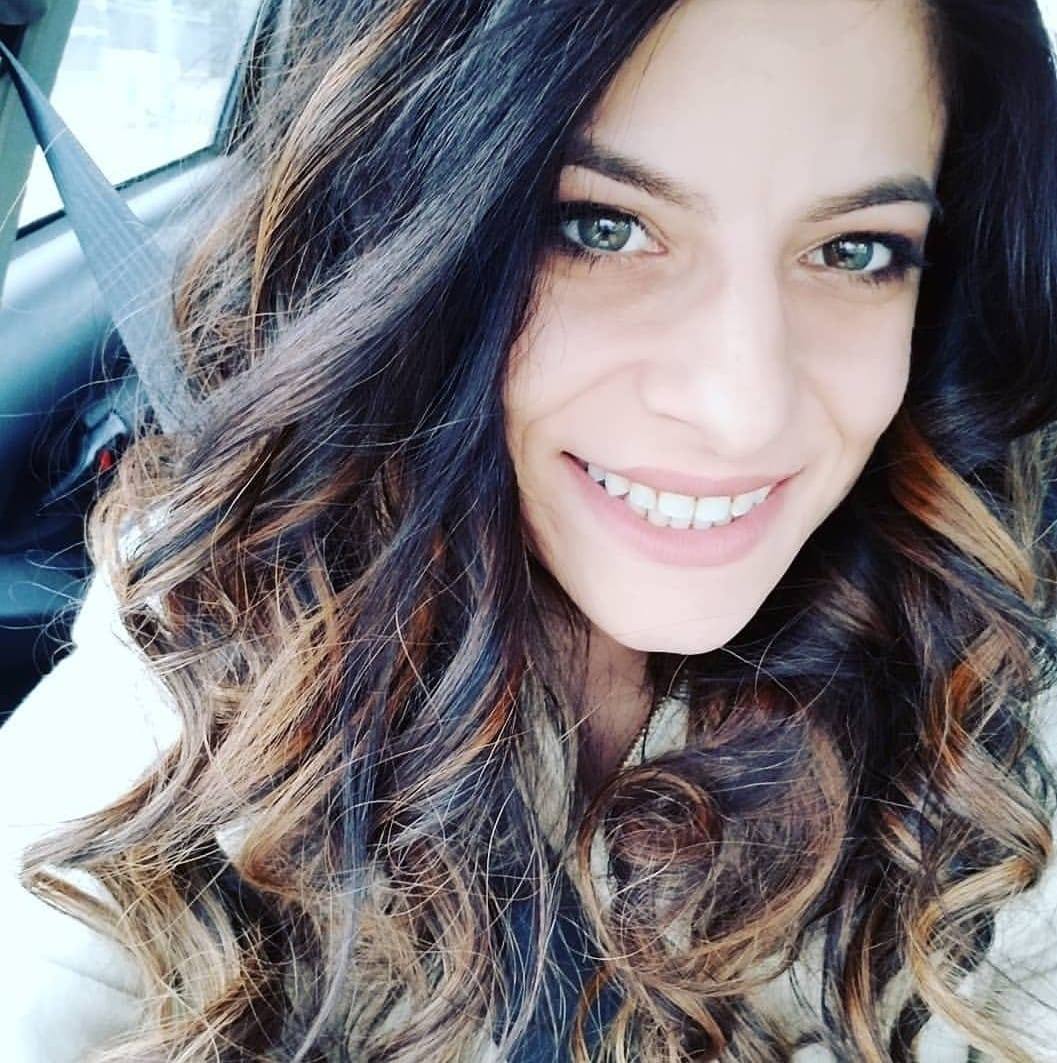
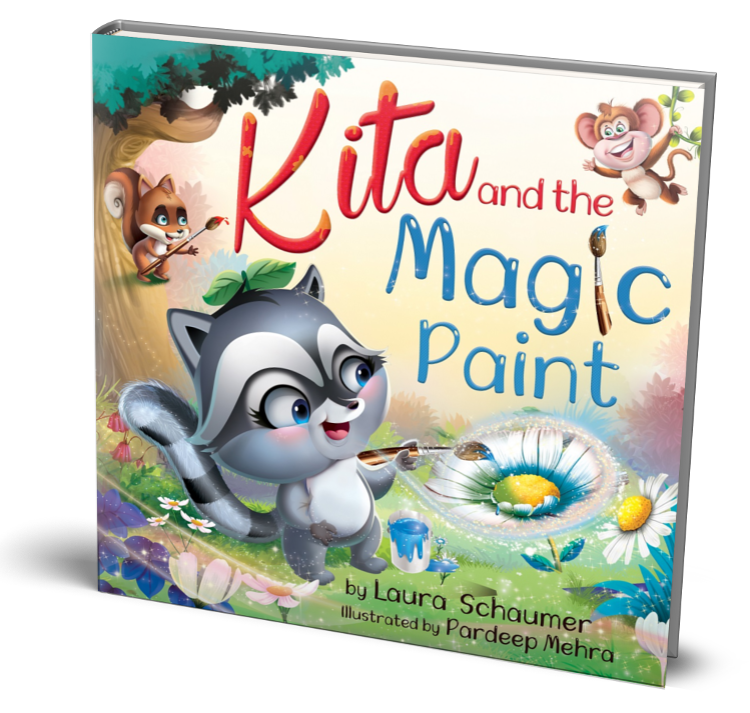
It’s Day Two of the Back to School Blog Tour for 2021. I’m starting with an exciting author and her book, “Kita and the Magic Paint” that can help instruct about secondary colors.

Laura Schaumer is the author of the children’s book, “Kita and the Magic Paint”.

Laura Schaumer is a children’s writer with a degree from George Brown College and Certificate in American Sign Language. She has a background in knowing how to communicate with children, and uses this ability in her writing. She currently lives in Ontario, Canada, and loves to go camping, listen to live music and create arts and crafts. She lives with her husband and daughter. I had the chance to ask Laura about her favorite childhood reading memories, writing routine and what writing means to her.

  • What is your favorite memory from reading as a child?

Laura Schaumer: As child, my favorite thing to do was read under my blanket with a flashlight and immerse myself in any book I could get my hands on. It was one of my favorite things to do in my elementary years.

  • What future projects are you working on?

Laura Schaumer: Right now, I am working on my 2nd and 3rd book. I love to write about everything and anything. The most amazing thing about being a children’s author is that there is nothing that confines you to explore any idea that arises in your imagination.

  • What is writing to you in one sentence?

Laura Schaumer: Writing is endless freedom to share and discover with everyone.

“Kita and the Magic Paint” is a story where magic happens in art. Meet Kita the Raccoon and all her friends. They discover the magic of painting and a way to create new colors with primary colors. By combining certain colors, new colors called secondary colors, can be formed. It’s all a journey to the mystery of forming new out of what you have. This book will spark an experimentation mindset in your child to dip into their curiosity and explore their creativity. Basic color theory comes alive in relatable characters and reminds us that magic can be found everywhere, especially through making art.

“Kita and the Magic Paint” is available at Amazon.com and BarnesandNoble.com.

For more information on Laura Schaumer and her other books, please visit her website here.

Thanks for stopping by for today’s featured author. Please don’t forget to enter the giveaway for a $25 Amazon Gift Card! It’s a big thank you for stopping by and supporting the participating authors. Winner will be announced Monday, Sept. 13, 2021.

Until tomorrow, stay safe and happy back to school!

Day 1 of the 2021 Back to School Blog Tour: Andreas Minnis

Standard

Welcome to the first day of the 2021 Back to School Blog Tour hosted by the Indie Children’s Authors Connection blog. I’m excited to host this very different school year, as many children return from online or hybrid learning to in-person school. Along with diverse and inspirational titles and authors this year, I want to tank all of the readers and followers of the blog that have part of the several years of this blog tour. You’re behind the success of this event. So, up front, thank you for coming back year after year.

Plus, check back each day for a new featured author and enter the $25 Amazon Gift Card giveaway. Fill out your class or home library. Winner will be chosen Monday, September 13, 2021.

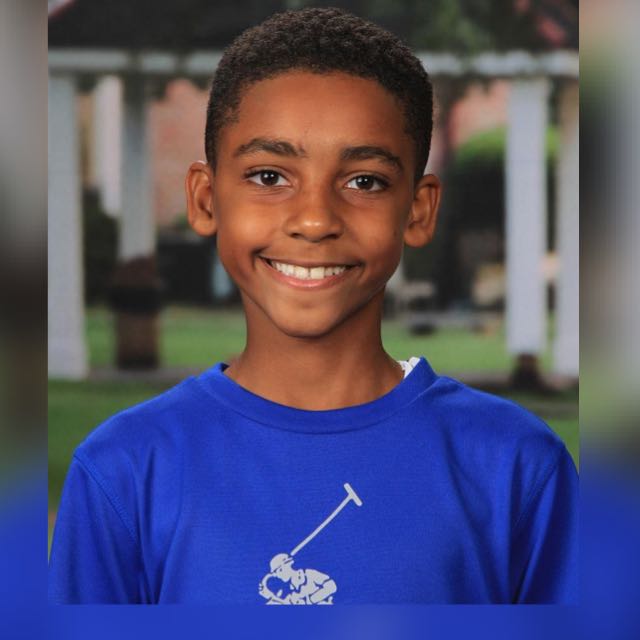
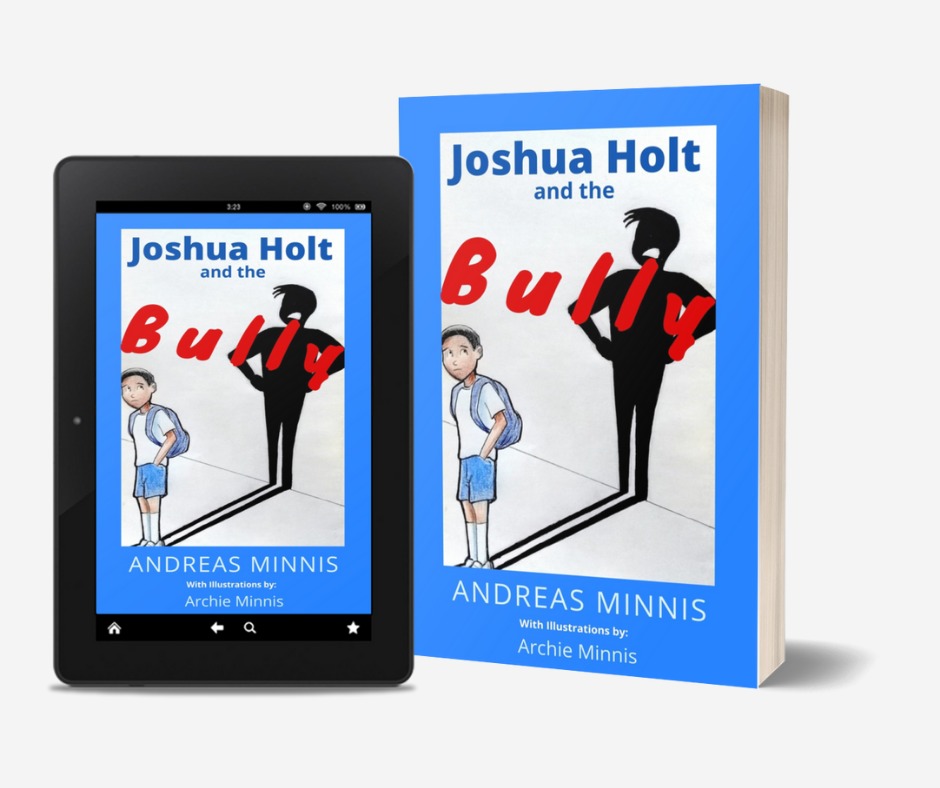
Andreas Minnis is an eleven-year-old children’s author that has written the featured book, “Joshua Holt and the Bully.”

And without a further adieu, here is our first author of the blog tour, Andreas Minnis. He is an eleven-year-old author that inspires many children his age to get involved and help others. He lives in New Orleans, but is originally from the Bahamas. He’s been featured on several international news sites, and shares his messages to kids at schools and conferences worldwide. Andreas and his mom work together to run their own publishing company called Universal Impact Press. His new book, “Joshua Holt and the Bully” is a book with a journey of resilience, courage, and forgiveness. I had the chance to talk with Andreas Minnis about his writing process, how he gets his ideas, and what kind of writing projects he has in store for the future.

1) What is your favorite memory from reading as a child?

Andreas Minnis: My favorite memory of reading as a young child is reading the book “Strega Nona” with my mom, it was her favorite book when she was a kid!

2) Who was your favorite author and how did they influence you?
Andreas Minnis: My favorite author is my mom! Aisha Wonderfull. She has encouraged me to share my story to help other people. She always says: Your story is about you, but it’s not for you.

3) Do you have a writing routine? Share what works for you.
Andreas Minnis: I like to plan out my books, and then dedicate specific times to work on it. Usually the weekend! I work better when I block out time to get it all done.

4) What subjects would you like to write about in future projects?

Andreas Minnis: I am going to keep writing about topics to help kids navigate being kids!

5) What is writing to you in one sentence?

Andreas Minnis: I love to write, and to share my experiences in stories that everyone else can relate to.

“Joshua Holt and the Bully” is the story of where bullying leads to friendship. Joshua is excited to be starting a new school year in the middle school. But his excitement disappears when he confronts his first enemy at school, a bully. Can Joshua learn that finding the courage to forgive can be the secret that saves everything?

“Joshua Holt and the Bully” is available at Amazon.com and Barnes and Noble.com.

For more information on Andreas Minnis, please visit his publisher’s website, Universal Impact Press.

Thank you for stopping by on the first day of the Back to School Blog Tour 2021. Don’t forget to enter the giveaway for a $25 Amazon Gift Card below. Return for a new chance each day, and for a new featured Indie Children’s Author.

(Note: Giveaway is powered by Rafflecopter. Give away starts at midnight, Pacific Daylight Time, Sept. 6, 2021.)

Taking Author Submissions for the 2021 Back to School Blog Tour-Sept. 6-10, 2021

Standard
This image has an empty alt attribute; its file name is backtoschoolblgtourbanner2021.png
This image has an empty alt attribute; its file name is back2schoolbanner2021.png

The 8th Annual Back to School Blog Tour for 2021 is now taking sign-ups for the blog tour that will start on Labor Day, September 6, 2021.

Please sign up below to apply to be in the blog tour. I’m taking a limited amount of authors, so please sign-up ASAP. I will feature up to 2 authors a day. Last year, we had one per day, but I’d like to get a few more. This has been a special blog event that has been going on for several years now. And I think this year will be especially important to support teachers and students as they return to school during COVID. I want to be able to supply them with children’s literature that will be resourceful and relevant to the times.

Plus, I’d love to have some featured books that will help motivate children to read more. Basically, let’s help make this a great start to what has been a difficult period for many of us. Reading a good book can be comforting to a child when all else around them can seem out of sorts. Let’s bring the joy of reading to children at the start of this new, unique school year. 

Here is the form to fill out to apply for the blog tour:

Deadline to apply is Friday, September 3 unless all the author slots fill up. If they do, I will post on the Blog Tour page when all slots of filled. Please mention that you are applying for this year’s blog tour and what kind of children’s book you have.

Go back

Your message has been sent

Warning
Warning
Warning
Warning
Warning.

Guest Post: 5 Tips to Help You Write Awesome Children’s Characters

Standard
Savannah Cordorva is a writer with the website, Reedsy.com.

Good characters are the key to any novel’s connection with its readers, and this is no different in children’s books; if anything, it’s truer. Think of iconic children’s books like Harry Potter, Matilda, or The Hunger Games —what do they have in common? Their characters are relatable, driven, and memorable.

Indeed, even the most fantastical books rely on human themes to resonate with readers. After all, it’s usually the way that characters interact with elements in the book that makes it interesting, rather than the elements themselves!

This is why, no matter what sort of children’s book you’re writing, it’s crucial to develop strong characters that will stay in your young readers’ hearts for generations. Master these tips and you’ll be well on your way.

1. Establish your character’s age and relevancy

Many popular children’s books are remembered for their cherished protagonists. However, there are a couple of elements that set the best apart from the rest: age and relevancy.

Specifically, the ideal formula for long-lasting characters is that they should be both a few years older than the target readers and experiencing similar real-life issues. Children love reading stories that they can relate and aspire to!

For example, Percy Jackson is twelve years old in Percy Jackson and The Lightning Thief, and attracts readers around ten years old. Of course, while Percy’s young fans won’t be discovering their mythical powers, they are growing up and will soon be entering new environments and making new friends — just like him.

As long as you explore human themes, feel free to give your characters the most fantastical plotlines you can think of. And if you want total control of your characters, consider self-publishing your children’s book! Linking your protagonist’s story to a real-life lesson is the bread and butter of character writing, but if this lesson is somewhat unconventional, the self-pub route could be your best shot at conveying it without compromise.

2. Build their drive and motivations

You’ve established your character’s age and relevancy. Great! The next step is to make sure your protagonist’s main goal — the essence of your story — is clear. Whether you’re writing a short story or a novel, it’s crucial to get this right. A story’s narrative arc will fizzle without motivation to propel things forward. And with children’s relatively short attention spans, they certainly won’t be giving precious attention to a lackluster plot.

This means another huge part of well-written children’s characters is that what they want or need drives the plot. Imagine how boring a story like Treasure Island would be if Jim Hawkins didn’t want to find Captain Flint’s treasure. And Watership Down wouldn’t be nearly as memorable without Hazel’s need to escape from the warren’s destruction. Once your character’s key motivation is established, the rest of their story should unfold with ease!

3. Put thought into their appearance

While a character’s internal thoughts are very important, that doesn’t mean their external characteristics deserve none of your time. Though personality is Priority One in terms of story, physical characteristics are often what make a first impression, in books and reality.

So while your protagonist’s appearance might not directly affect the plot, it can impact how supporting characters respond to them. And of course, if you’re writing a picture book, how the characters look will be a major part of the reader’s experience — and will likely contain visual clues about their personalities, emotions, and so on.

This is why, regardless of your artistic abilities, it’s worth sketching out your characters, from their hair color to their type of shoes. It doesn’t have to be Van Gogh-worthy, but having a concrete reference for your character’s appearance will make it easier to imagine — and therefore write out — more realistic scenes in your story.

This may be particularly helpful when it comes to dialogue. Another useful thing to consider is your character’s voice: What do they sound like? How do they interact differently with one character vs. another? Does their voice match their physicality, or present a comical contrast?

(If this sounds like a lot of details to organize — or if you’re looking to go even more in-depth — try checking out some character profile templates to help, or perhaps just a few character-building questions to get the ball rolling.)

4. Choose meaningful, memorable names

Well-named characters are sure to stick in readers’ heads. It sounds simple, but giving a character a name that reflects their key traits will tie everything together — and tell readers what to expect!

A classic example of this is Harry Potter’s Remus Lupin: “Remus” nods to the Roman myth about the twins Romulus and Remus who were raised by a wolf, while Lupin is derived from the Latin for “wolf”. So — spoiler alert — it’s no surprise that Remus Lupin turned out to be a werewolf, with a name meaning “Wolf Wolf”. Another perfect example of this is the much-loved Miss Honey in Roald Dahl’s Matilda, who is adored for her sweetness.

Though a name might seem a small feature, plenty of creativity goes into naming popular children’s characters! Whether your characters’ names are obscure linguistic references or common synonyms, make sure they’re fun to learn and impossible to forget.

5. Make character conversations believable

Going back to dialogue for our final point, many children’s writers are tempted to write their dialogue as they think children speak. But unless you’re a preschool teacher or a parent, try to avoid presuming anything!

Indeed, it’s worth familiarizing yourself with your target audience to facilitate more believable conversations. Good ways to research might be volunteering at your local school or working at a library. Bonus points if you have friends and family with children that you can ask to proofread your book. Their endorsement is a major signifier that you’re on the way to helping your target audience feel understood and represented.

Of course, every child is different, with their own personalities, opinions, mannerisms, and quirks. Keep in mind that your characters should progress and change, but dispositions — for example, a sharp sense of humor or joyful attitude — aren’t usually as fluid. A good rule of thumb is to figure out the essential traits your character has and stick with them. With this in mind, your characters are sure to instill readers with plenty of intrigue and love.


Savannah Cordova is a writer with Reedsy, a marketplace that connects self-publishing authors with the world’s best editors, designers, and marketers. In her spare time, Savannah enjoys reading fiction (especially YA fantasy, and picture books to her niece and nephew!) and writing short stories.

Tiffany Turner was the editor on this post.

Interview with Marie Urquidi

Standard

Marie Urquidi reading with her child from her “Speaking Together” workbook series.

The summer is an excellent opportunity for children to learn new skills and start a lifelong learning journey. Why not help them start learning language skills?

I’ve found a book series that has been written by a parent that wanted to teach her children their lost heritage of language. Marie Urquidi is Filipino but wasn’t encouraged to learn Tagalog, the Filipino language, as a child. Her husband has Mexican heritage and wasn’t motivated to learn Spanish. She decided to help her child to learn Spanish in school and enrolled her in a Spanish Dual Language Program. It turned out to be a Spanish course for herself as well.

She developed learning worksheets to help herself review the language as well as to support her child. Through this teaching opportunity, she has developed a unique set of workbooks to help children learn Spanish with their parents. Her “Speaking Together” workbook series covers how to teach your child Spanish, Tagalog, and English. I had the chance to ask Marie Urquidi about her influences growing up, writing projects, and what writing means to her.

  1. Who is your favorite author and how did they influence you?


Marie Urquidi: Jane Yolen has written over 400 books, and I absolutely fell in love with “How Do Dinosaurs Say Goodnight?” I read that to my son one night, and we enjoyed it. It was a great way to bond over the pictures and the questions in her story. The engagement with my son as I read her books is what I want to emulate. She inspires me to write engagingly because I want to replicate that same experience for readers.

2) What subjects would you like to write about in future projects?


Marie Urquidi: My bilingual books aim to encourage parents and children to practice language learning in a fun and easy way. I currently have Language Workbooks for parents and children learning Spanish, Tagalog, and English. The books focus on conversations about school, recess, and playtime. I’m currently developing picture books that focus on other areas of language learning, for example, tenses and vocabulary. You can find my books on Amazon or my website: DLIParentBooks.com.

3) What is writing to you in one sentence?


Marie Urquidi: Writing is an opportunity to share a piece of you that’ll last beyond our own time here on earth.

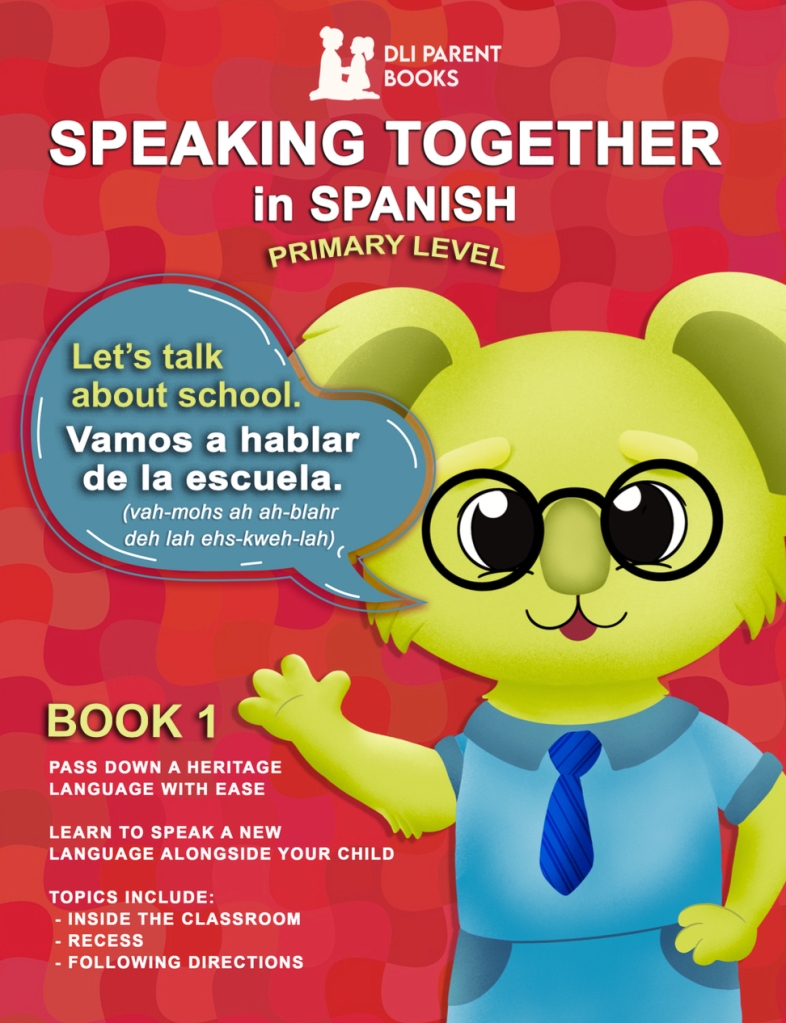
“Speaking Together in Spanish” is a wonderful workbook to help reinforce your child’s Spanish lessons as well as learning the language yourself. With phonetic translations, easy phrases to start conversations, and extensive practice and review, you’ll have a tool to have you practice Spanish right along with your child. This workbook will give your child more opportunities to speak Spanish out of school, with private tutoring or even with Spanish-speaking playdates. You’ll gain intermediate-level grounding in four key skills: reading, writing, speaking and listening. This specially designed workbook is equipped to help monolingual parents facilitate supportive learning at home while learning the language. Great for private tutoring support or supplemental homework for the classroom, this series is a beautiful support for parents and home schooling programs.

For information on all the workbooks, here are the links:

For more information on Marie Urquidi, visit her Amazon author page and/or her website at: DLIParentBooks.com.

Interview with A.C Morris

Standard

I’m always on the alert for helpful books for the classroom or at home for parents. I think I’ve found a series that will be helpful for children suffering from different traumas life can throw at you. A.C Morris has written an amazing book that touches children and helps to heal them. “Beyond the Scars” is her first book in the series, and it models how friendship can help a child mend from within. I had a chance to talk to A.C Morris about childhood reading memories, favorite authors, writing and what she has in store for us.

  • What is your favorite memory from reading as a child?

A.C Morris: There was a book named “Sam” by Ann Herbert Scott. It was about a young boy, the youngest of his siblings like myself, and Sam had a big age gap between his older siblings. So, he had no one to play with, as he kind of didn’t fit in. He was too young or too small or too, not enough, for everyone and couldn’t figure out what to do. I felt he was similar to me because I was the only girl with two older brothers. That book actually taught me how to have fun alone. I played and used my imagination. I was inspired by Sam. Ever since then, I loved reading.

  • Who was your favorite author and how did they influence you?

A.C Morris: My favorite author is Toni Cade Bambara. She wrote amazing short stories, which I love, short and sweet.

  • Do you have a writing routine? Share what works for you.

A.C Morris: My writing routine is to write down a general idea. Then, rewrite it again as a concept/outline and rewrite again. After, I get someone’s opinion, and ask if I am clearly expressing myself with the concept. Then, I start writing and rewriting, following that outline, adding in details. I like to actually write at night or by the lake where I can hear and feel nature the best.

  • What subjects would you like to write about in the future?

A.C Morris: I like to write about anything that will inspire a child to be their best and to be fearless.

  • What is writing to you in one sentence?

A.C Morris: Writing is Magical. I say magical because, just before your eyes, you can have this tiny vision only you could see, and you turn it into something the rest of the world can feel, see and hear.

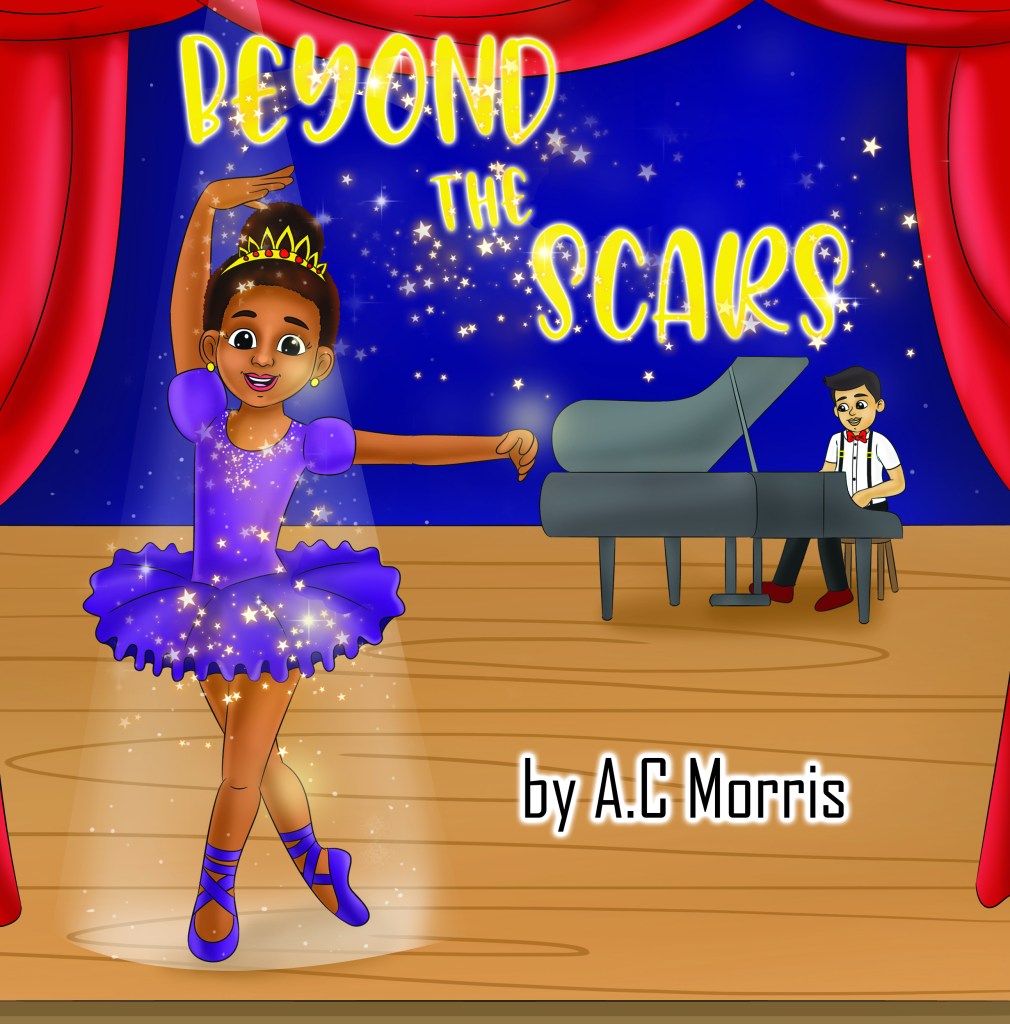
“Beyond the Scars” is a book to help a child begin healing from trauma with a friend. Modeled with the relationship of Celeste and Miguel, the reader goes on a journey of healing as the two talk over their past traumas and heal. Celeste is an amazing ballerina, and Miguel is talented pianist. Together, their friendship forms the way to healing and dealing with the past.

“Beyond the Scars” is available at Amazon.com. This book is a Kindle Unlimited title.

For more information on A.C Morris and her books, visit her soon to launch website on August 1.

Interview with Dr. Terance Shipman

Standard
Dr. Terance Shipman is the author of the new book, “Mr. Shipman’s Kindergarten Chronicles: ABC”.

Look no further, Dr. Terance Shipman has a winning smile that wins over parents, students and I’m sure, everyone he meets. Being a teacher for almost 28 years, he’s got a lot of stories. Some of the best are from his eleven years teaching Kindergarten, and he’s put them together in a book called Mr. Shipman’s Kindergarten Chronicles: ABC”. Each book in his new Kindergarten Chronicles helps to celebrate and emphasis the African American male teacher as a role model. He presents a positive and strong black male image in his book that children need to see. I had the chance to talk with Dr. Shipman about future projects, memories of reading as a child, and his writing routine.

  • What subjects would you like to write about in future projects?

Dr. Terance Shipman: I would like to write a motivational book. I post daily motivational and inspirational quotes each day on social media. I think it would be great to have them in a book.

  • What is your favorite memory from reading as a child?

Dr. Terance Shipman: One of my favorite memories was having my mother read to me each day. We would start a book and read a little each day. I remember placing the bookmark in the book to make sure we started in the right place.

  • Do you have a writing routine? Share what works for you.

Dr. Terance Shipman: I think about a story in my head for days sometimes weeks at a time. I write an outline of the story. Afterwards I sit with pen and paper and write. I have to get the story out of my head and on paper.

Great for early readers and English language learners, “Mr. Shipman’s Kindergarten Chronicles: ABC”, is a delightful presentation of the alphabet. Your child will enjoy the pictures, learning and humorous introduction written by a real teacher.

“Mr. Shipman’s Kindergarten Chronicles: ABC” is available at Amazon.com and Barnes and Noble.com.

For more information on Dr. Terance Shipman, please visit his author page here.